Research: Editing - Miss Begum
What is editing? Why is it an important micro-element?
Editing is adjusting a piece to improve it, it could be removing errors, or adding to improve the flow of the piece. It is usually used to be able to adjust it for the appropriate target audience. It is and important micro-element as it makes the final piece more creative and helps for it to flow without any interruptions.
How is editing used in films?
Editing is used in films to exaggerate an effect, such as an explosion may be edited to make the flames look larger. Or editing may be used to create a more horrifying image when it comes to death or injuries. Also editing could take place within the audio of the film, for example the sound level could rise during an intense part of the film.
Key terms:

Straight Cut – A straight cut is an editing technique which is used in almost all films. It allows one shot to suddenly end and the next shot to abruptly come onto the screen. It allows unnecessary footage to be removed or shortened.Montage – In filmmaking, a montage is an editing technique in which shots are juxtaposed in an often fast-paced fashion that compresses time and conveys a lot of information in a relatively short period.
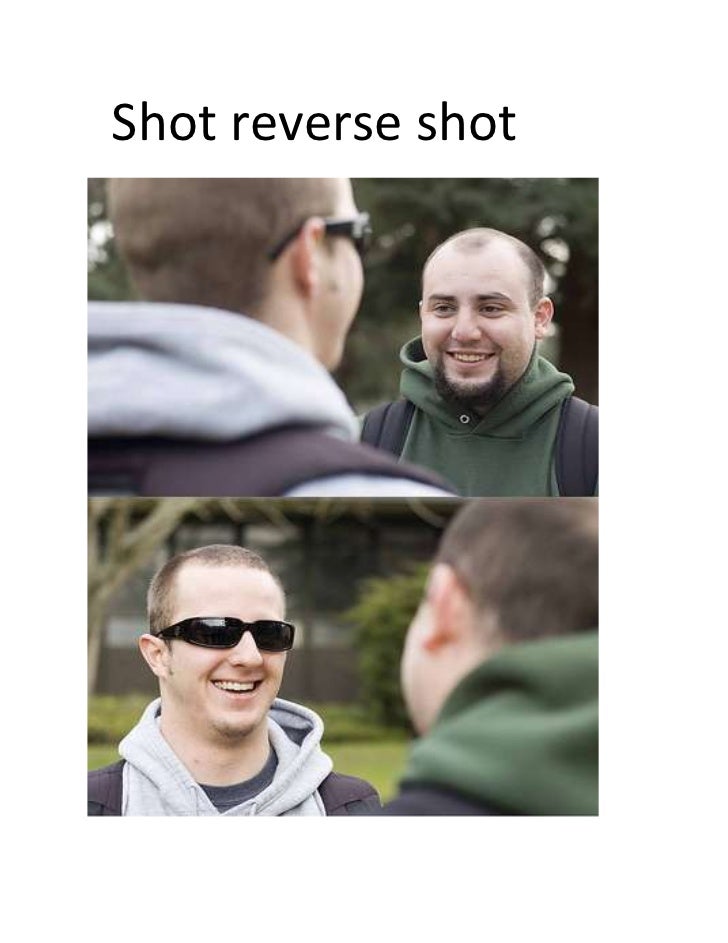
Shot Reverse Shot – Is when the camera switches between to characters whilst they are having a conversation.


Fade to black – Fades the shot to a single colour, usually black or white. The "fade to black" and "fade from black" are ubiquitous in film and television. They usually signal the beginning and end of scenes.
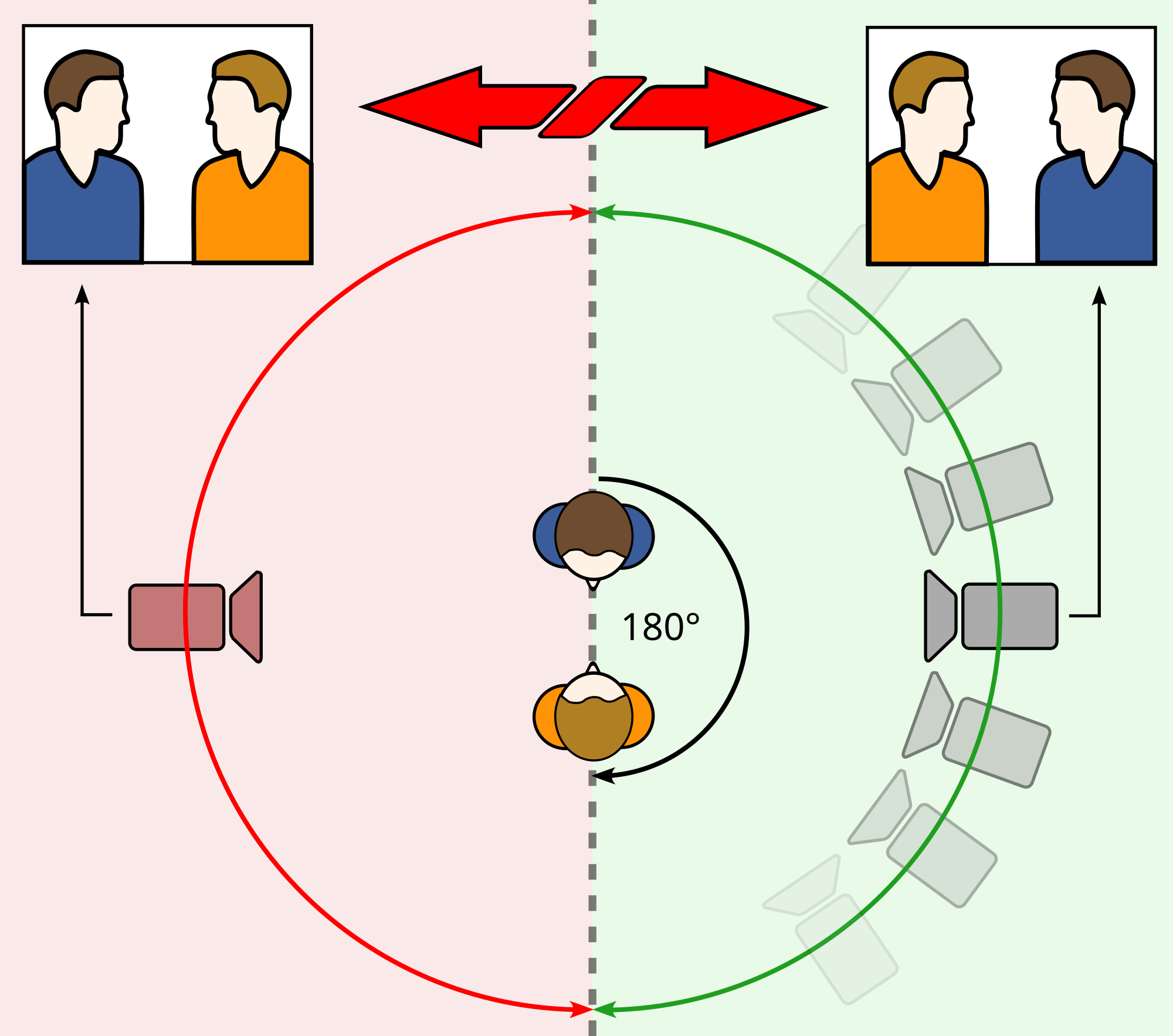
180 Rule – The 180-degree rule is a basic guideline regarding the on-screen spatial relationship between a character and another character or object within a scene.

Dissolve – The dissolve is a common film technique which is often used as an indicator of a passage of time; therefore the dissolve often falls under the umbrella of the elliptical editing techniques.
 Wipe – The wipe is the technique where one shot is replaced by another by the movement of an edge, or line, which replaces the previous shot by “wiping” it. By revealing a new scene, environment or space the wipe offers a spatial or temporal transition to the director.
Trailers
Thriller film trailers usually use fade to black as they do not want to reveal too much but just highlight a fe key moments throughout the film. Fade to black would usually be repeated in a very fast pace to keep the adrenaline pumping and curiosity at a high level.
Thriller opening analysis
The opening scene of the thriller film "Fast Furious 7" portrays an ultimate amount of editing such as the screen tilting during a fight scene, fade to blacks, and exaggerated explosions.
Conclusion
Now that I have learnt how editing is used and the effect that it causes on the audience of thriller films, I will be using fade to black repeatedly in my opening scene as it increases tension and curiosity within the viewers. This is because it limits the information going on but produces just enough to leave the audience clinging on to the chair.

Basic response to the research of editing techniques.
ReplyDeleteTo improve;
-in your introduction, the focus should be on editing in terms on meaning and fluency in a scene rather what it means generally to edit something
-differentiate the difference between edits and transitions
-some of your definitions need to be developed
-opening analysis of editing at the end?
-I am struggling to read some of your work as there is a highlighter over it